
Nervous System Regulation: What it Really Means
& How I'm Using it to Prevent Burn Out

Hey Friends, welcome back to Leading the Way, or if this is your very first time, Welcome. May this be a moment for you to land, exhale, learn something new, and enjoy. Grab your favorite drink, get cozy, and lets have a chat.

Today, let’s talk about Nervous System Regulation.
It’s a phrase that’s everywhere right now—and one I use often—but what does it actually mean?
What does it look like in real life?
And how do we practice regulating our nervous system instead of just talking about it?
I’ll walk you through the basics and then share how I’m regulating my nervous system in this season—especially during winter.
What Is Nervous System Regulation?
Let’s take a quick trip back to biology class.
(Do you remember those long lab tables? The lectures and the dissections? I dissected a frog… and a cat. Comment below if you did too. I digress.)
We have two primary parts of our nervous system:
Sympathetic nervous system – activates fight or flight
Parasympathetic nervous system – supports rest and digest
Nervous system regulation is the ability to move between stress and calm—to maintain balance.
(And fun fact: I recently learned the root word of balance means dancing, which feels very fitting.)
Regulation doesn’t mean being calm all the time.
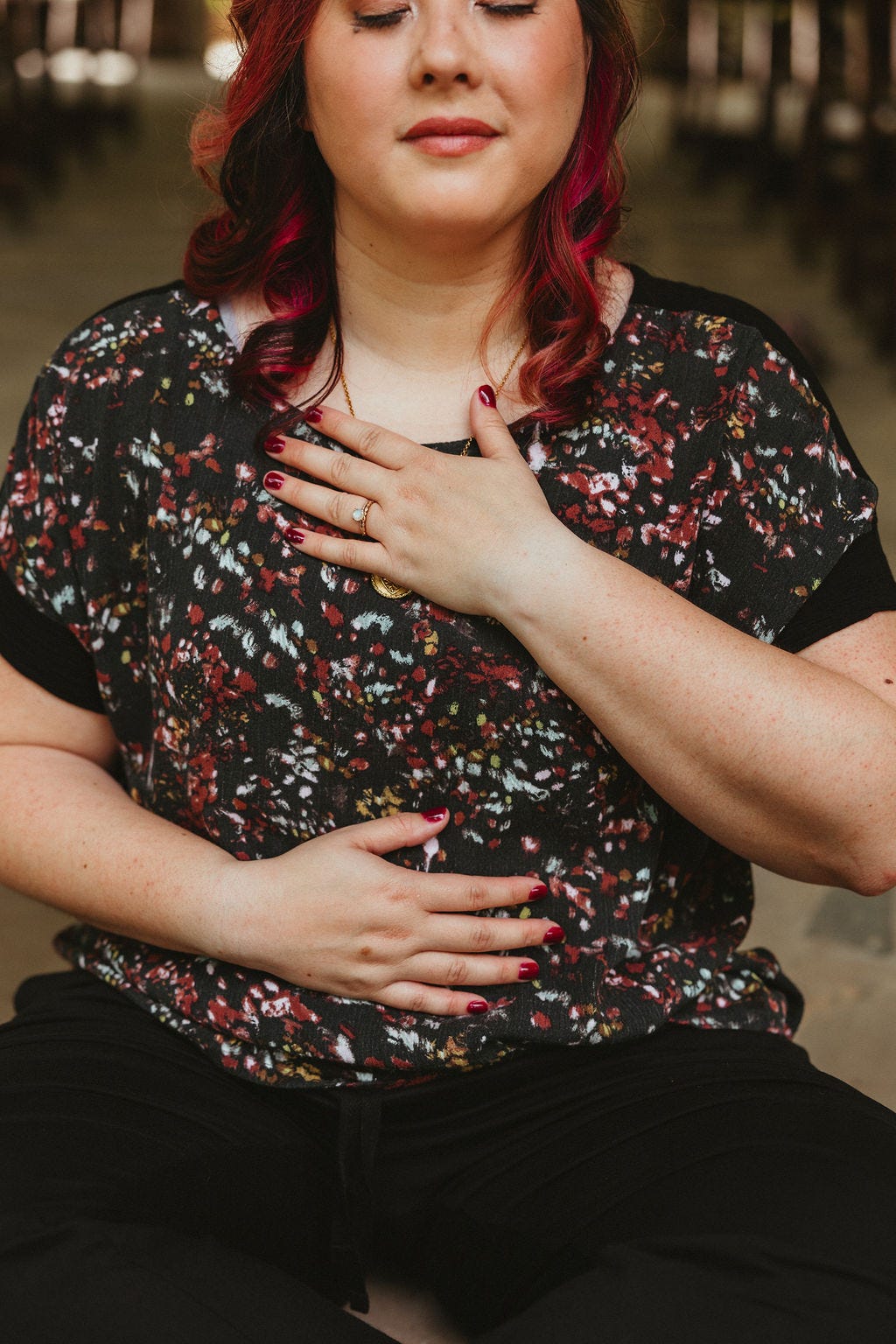
It means your system has the flexibility to respond to stress and then return to calm—allowing for emotional clarity, presence, and resilience.
✨ This was a big “aha” moment for me.
I wanted to live in rest-and-digest all the time. But once I realized both states have a purpose, I stopped trying to avoid stress and instead focused on moving through it.
When the nervous system becomes dysregulated, it often looks like:
Being stuck in a heightened state (anxiety, burnout, survival mode)
Or dropping into numbness (freeze or shutdown)
What Does It Mean to Regulate Your Nervous System?
At its core, regulation starts with awareness.
It’s learning to recognize:
Am I in stress (fight or flight)?
Or am I in calm (rest and digest)?
Once you can identify where you are, you can begin practicing how to move between states.
A gentle reminder:
These responses are protective. They help us survive. We weren’t designed to stay in one state—we were designed for a healthy rhythm between both.
I had therapists and coaches explain this to me for years—but it didn’t fully click until the last couple of years. My current coach helped me see when I was in stress versus calm. Sometimes we need another person to reflect what we can’t see when we’re in the thick of it.

What Stress Feels Like in the Body
When I’m in a stress response, it often shows up as:
Constant tension in my neck and shoulders
(At one point, I had a spot in the back of my neck that never released.)Tightness in my stomach
Jaw clenching
Headaches
Anxious, swirling thoughts
Withdrawing to maintain a sense of control
Wanting to escape uncomfortable situations (flee response)
Feeling stuck or unsure what to do (often paired with procrastination)
“Functional freeze” — still functioning, but internally frozen
Increased adrenaline
Short, shallow breaths
A chaotic internal feeling
Nervousness or anxiety
Heightened emotions—crying easily or sudden anger
What Calm Feels Like
When I’m regulated, I notice:
Contentment
A sense that I can handle what comes my way
Relaxed muscles
(I remember the day that chronic neck tension released—it felt like freedom.)Deeper breathing
Mental clarity
Moving more slowly
A calm sensation in my body
Relief
Peace
Connection
Another term for this calm, regulated state is the Window of Tolerance.
How I Regulate My Nervous System (Seasonally & Year-Round)
In the Winter
Winter asks us to slow down. (See more about this in my post below about January)

I notice I’m more tired and less motivated, so I listen to my body:
Taking naps
Scheduling more frequent breaks
Standing in sunlight—especially in the morning and evening
Gentle walks
Stretching
Using grounding practices more often (meditation, mindfulness, sensory input
This winter I’m learning more about different types of food that is better for you. In the winter you need more nourishing foods like soups, stews, and broth that is warming the body and filling you up. I’m looking up soup recipes (you have a favorite one? send it to me!)
Nervous System Practices I Use All Year
The following are practices I use all year round to help my system regulate.
EFT Tapping
This has been the most effective tool for me to move from stress to calm. I’ve practiced it enough that my body now recognizes the pattern and begins releasing stored stress and emotion almost immediately. (I’ll be writing and podcasting more about this soon.)
Mirror Neurons & Safe Touch
When I’m heightened, I often go to my husband for a hug. Physical touch from someone we perceive as safe helps our nervous system mirror calm. It also releases oxytocin (the bonding hormone) and endorphins—both supporting regulation.
Sensory Seeking
I’m a sensory seeker, meaning my nervous system regulates best with intentional sensory input. Some of my favorites:
Weighted blanket
Tight squeeze hugs
Medium to deep-pressure massages
Resistance or weight-based movement
Noise-canceling headphones
Swinging (yes—I’m still that adult who seeks out playground swings)
Painting and creating
Fidget toys, especially squishy ones
A Gentle Closing Reflection
Nervous system regulation isn’t about perfection.
It’s about relationship—with your body, your rhythms, and your needs.
It’s learning to listen instead of push.
To notice instead of judge.
To respond instead of override.
If this resonated, you’re not alone—and you don’t have to figure it out by yourself.
✨ The Wonder Well is a space where helpers practice nervous system care, reflection, and sustainable rhythms—together. A place to learn, unlearn, and soften out of survival mode.
And if all you take from this today is a pause and a deeper breath—that’s enough.
You’re doing better than you think.
Until Next Time,
Tiffany
This is a great explanation of regulation. I love how you normalize movement between stress and calm instead of chasing some permanent “zen” state. The seasonal practices piece really landed, too.
The flexibility framing is so important. I’ve noticed clients initially want ‘calm’ but what they actually need is the capacity to move through activation and return.
Aromatherapy supports this, not by forcing relaxation, but by giving the nervous system a sensory anchor during the return.
The physical sensations you listed are exactly what I ask clients to track when working with scent protocols.